

EasyJet flight emergency landing made headlines recently, and many passengers and travelers are asking questions. When an airplane needs to make an emergency landing, it can be scary and confusing. EasyJet, like other airlines, trains its pilots and crew to handle these situations carefully. Safety is the top priority, and passengers are guided every step of the way. Understanding what happens during an emergency landing can help travelers feel calmer and more prepared. From cabin announcements to emergency procedures, every detail is important.
EasyJet flight emergency landing can happen for several reasons, including technical issues, sudden weather changes, or medical emergencies on board. The airline follows strict safety rules to protect passengers and crew. Pilots communicate with air traffic control to choose the safest airport for landing. Cabin crew also provide instructions to keep everyone safe. While the experience can be stressful, knowing how airlines manage emergency situations gives reassurance. Passengers are encouraged to stay seated, follow crew instructions, and remain calm. Emergency landings are rare, but understanding the process helps travelers feel informed and prepared for any unexpected events during their journey.
What Causes an EasyJet Flight Emergency Landing
EasyJet flight emergency landing can happen for several reasons. The most common cause is a technical issue with the airplane. Modern aircraft are built to be very safe, but problems can still occur. Pilots are trained to handle any mechanical problem and make safe decisions.
Weather is another factor. Sudden storms, strong winds, or lightning can make it unsafe to continue flying. Pilots may choose an emergency landing to avoid danger. Sometimes, medical emergencies on board require the plane to land quickly. If a passenger suddenly becomes very ill, the pilot may land at the nearest airport to get help.
Step-by-Step Process of an EasyJet Flight Emergency Landing
When an emergency occurs, pilots first assess the situation. They communicate with air traffic control to find the safest airport to land. Cabin crew prepare the cabin for landing by giving instructions to passengers.
Passengers are asked to stay seated, fasten seat belts, and follow all instructions carefully. Crew may also check emergency exits and ensure safety equipment is ready. Once the plane lands, emergency services are often waiting to provide help if needed. This process ensures that everyone is safe and calm during a stressful situation.
How EasyJet Ensures Passenger Safety During Emergency Landings
EasyJet trains pilots and cabin crew for emergency situations. Regular drills and safety checks are conducted to prepare staff for all kinds of emergencies. The airline also makes sure that all safety equipment, such as oxygen masks and life vests, is working correctly.
During an emergency landing, communication is key. Pilots keep passengers informed about what is happening. Crew members guide everyone step by step, making sure no one panics. EasyJet also coordinates with local airport authorities to have emergency vehicles ready, which adds another layer of safety.
Common Scenarios That Lead to EasyJet Flight Emergency Landing
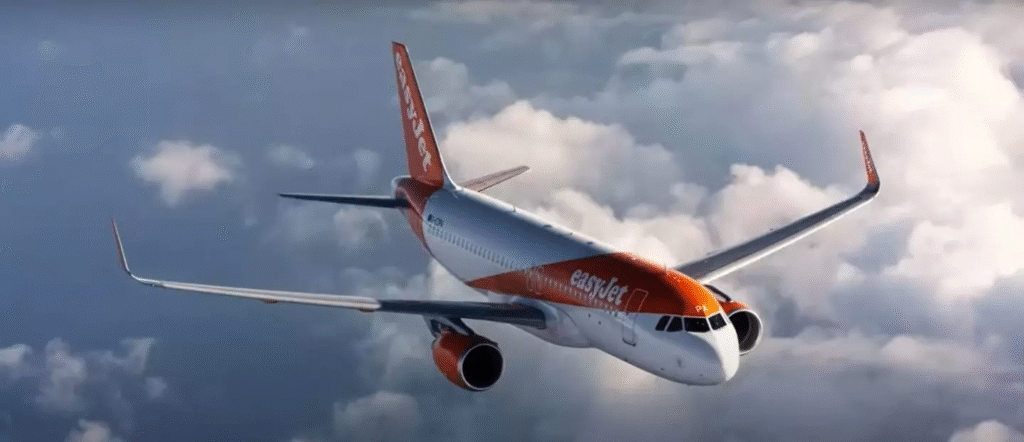
Several scenarios can lead to an EasyJet flight emergency landing. Engine or mechanical problems are one of the most common. Birds striking the plane, warning system alerts, or fuel issues can also be reasons.
Weather changes like heavy storms or strong crosswinds sometimes force pilots to land early. Medical emergencies, such as heart attacks or serious injuries, require immediate attention. Sometimes, passengers may behave in ways that endanger safety, and the crew may choose to land early to resolve the situation safely.
What Passengers Should Do During an EasyJet Flight Emergency Landing
Passengers should always stay calm and follow instructions. Sit down, fasten your seat belt, and pay attention to crew directions. Avoid using electronic devices unless told otherwise.
If there are children on board, keep them close and explain that everything is being handled by professionals. Stay seated until the plane comes to a complete stop. Panicking or moving around can make the situation more difficult for the crew and other passengers.
How Pilots Handle EasyJet Flight Emergency Landing Situations
Pilots are highly trained to manage emergency landings. They remain calm, follow checklists, and communicate with air traffic control to ensure a safe landing. Decisions are made based on the safety of passengers, weather, and available airports.
Pilots also monitor fuel, engine performance, and cabin conditions. They may change the flight path or altitude to handle turbulence or bad weather. Even in stressful situations, pilots follow strict protocols to land the aircraft safely.
Emergency Equipment on EasyJet Flights You Should Know About
EasyJet aircraft are equipped with safety tools to handle emergencies. Oxygen masks drop from the ceiling if there is a sudden loss of cabin pressure. Life vests are available under seats for water emergencies.
Emergency exits are clearly marked, and evacuation slides are ready to use. Crew members are trained to operate all safety equipment and assist passengers if needed. Knowing about these safety measures can help passengers feel less worried during an emergency landing.
EasyJet Flight Emergency Landing: Real Stories from Passengers
Many passengers have shared experiences of EasyJet flight emergency landing. Most people say that crew members stayed calm and guided everyone efficiently. Passengers often report that listening to instructions and remaining seated made the landing safe and smooth.
These stories show that emergency landings, while scary, are managed very well. Travelers who remain calm and follow crew directions usually feel reassured and safe after the landing.
How Weather Affects EasyJet Flight Emergency Landings
Weather can play a big role in emergency landings. Strong winds, storms, or lightning may force pilots to land early. Pilots receive real-time weather updates and make decisions to avoid danger.
Even if weather conditions are difficult, modern planes are built to handle turbulence and bad weather. Crew members are trained to help passengers stay calm and follow instructions. Safety is always the priority.
Medical Emergencies and EasyJet Flight Emergency Landing Protocols
Medical emergencies sometimes require an emergency landing. If a passenger suddenly becomes seriously ill, the plane may land at the nearest airport. Pilots and crew work with medical professionals to ensure the passenger gets immediate help.
Cabin crew are trained in first aid and can provide assistance during the flight. Emergency services at the airport are prepared to respond quickly once the plane lands. This protocol ensures everyone’s safety, including the person with the medical issue.
After the Emergency: What Happens Once the EasyJet Flight Lands
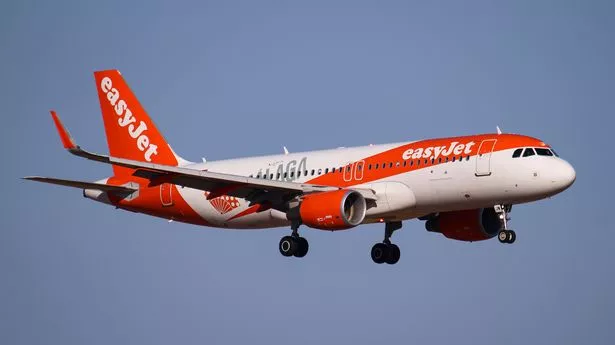
After landing, emergency vehicles may meet the plane. Passengers are guided safely off the aircraft. Crew checks that everyone is okay and coordinates with airport authorities for any medical or technical assistance.
Airline staff also handle luggage and help passengers with onward travel plans. Debriefing and reporting follow, ensuring that the situation is fully documented. Passengers are encouraged to stay calm and cooperate with staff during this stage.
Tips to Stay Calm During an EasyJet Flight Emergency Landing
- Follow Instructions: Listen carefully to the crew and follow every instruction.
- Stay Seated: Keep your seat belt fastened until told otherwise.
- Breathe Slowly: Deep breathing helps reduce anxiety.
- Keep Children Close: Reassure kids and explain what is happening calmly.
- Trust the Crew: Pilots and cabin crew are trained to handle emergencies.
These tips can make a difficult situation easier to manage and ensure everyone remains safe.
Conclusion
EasyJet flight emergency landing is rare, but it can happen for technical, weather, or medical reasons. Airlines prioritize safety above all and have strict procedures in place. Pilots and cabin crew are trained to handle emergencies calmly and efficiently. Passengers who follow instructions, stay seated, and remain calm contribute to the safety of everyone on board. Understanding the process helps travelers feel prepared and reduces fear in unexpected situations.
FAQs
Q1: How often do EasyJet flights have emergency landings?
A1: Emergency landings are very rare. Airlines, including EasyJet, maintain strict safety protocols to minimize risk.
Q2: What should I do if my EasyJet flight makes an emergency landing?
A2: Stay seated, fasten your seat belt, follow crew instructions, and remain calm.
Q3: Can passengers refuse an emergency landing?
A3: No, pilots make the final decision for safety. Passengers must follow instructions.
Q4: Are emergency landings dangerous?
A4: Emergency landings can be stressful, but with trained crew and safety procedures, they are generally safe.
Q5: Will my luggage be safe during an emergency landing?
A5: Luggage is secured in the hold. Crew focuses on passenger safety first.