
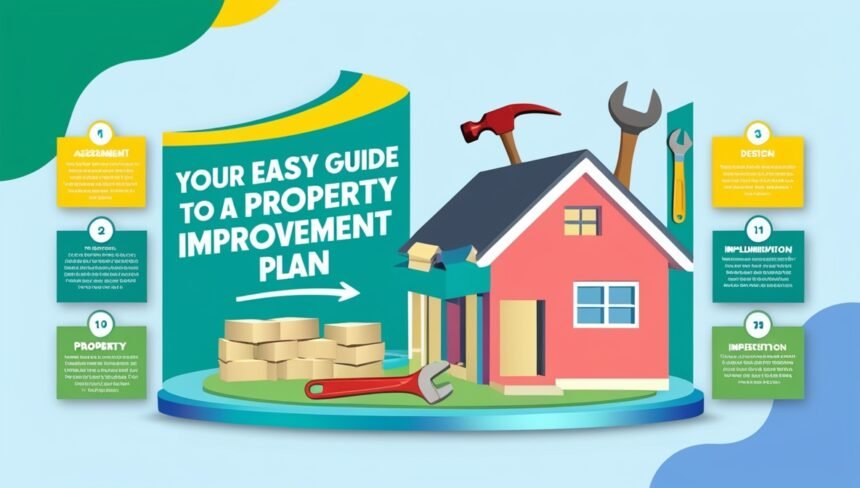
Introduction: Why a Property Improvement Plan Matters
A Property Improvement Plan is not just a fancy document. It is a powerful roadmap that can transform an old or ordinary property into something beautiful, valuable, and profitable. Whether you are a homeowner, a property investor, or someone who just bought their first plot of land — this plan can guide your every step toward creating something amazing.
I still remember the day I created my first property improvement plan. At that time, I didn’t have a lot of experience. But once I followed a proper strategy, everything started to make sense. Walls became stronger, spaces became smarter, and the property became worth much more than I imagined.
In this article, we will take a deep, simple, and personal look at:
- What a Property Improvement Plan is
- Why it is important
- How to create one step by step
- Mistakes to avoid
- Real examples and expert tips
Let’s get started on a journey that can increase your property’s value and make your life easier.
What Is a Property Improvement Plan?
A Property Improvement Plan (PIP) is a clear and organized plan that shows how a property will be upgraded or improved over a certain period of time.
This plan can include:
- Building repairs
- Interior and exterior upgrades
- Landscaping and beautification
- Energy-saving improvements
- Safety and compliance updates
- Structural redesign
Many people think a property improvement plan is only for big companies. But the truth is — even a small homeowner can benefit from it. It gives a direction, saves money, and avoids random, unplanned work.
Why Every Property Owner Should Have One
When I first bought my property, I thought, “I’ll just fix it as I go.” But random fixes lead to:
- Wasted money
- Delays
- Poor results
- A property that looks unfinished
Once I made a proper improvement plan, I noticed three big benefits:
- Clear vision: I knew exactly what I wanted to change and when.
- Budget control: No more overspending or surprise costs.
- Better results: The work looked organized and professional.
A property without a plan is like a house without a blueprint. Having a PIP turns dreams into practical steps.
The Core Elements of a Good Property Improvement Plan
Creating a PIP isn’t about writing down random ideas. It’s about structure and clarity. A good plan usually includes:
- 🧾 Property assessment: Understanding current condition
- 🏗️ Improvement goals: Deciding what needs to change
- 💰 Budget planning: Estimating costs
- 🗓️ Timeline: Setting realistic deadlines
- 🧰 Project details: Materials, labor, permits
- 🧠 Strategy: How each improvement fits together
This organized structure helps avoid stress, confusion, and unnecessary expenses.
Step 1: Assess the Current Property
Every good plan starts with understanding what you already have.
Walk around your property slowly. Look at:
- Cracks, broken tiles, leaks, weak spots
- Paint, flooring, fixtures, doors, and windows
- Garden, lawn, fence, outdoor space
- Electrical wiring, plumbing, ventilation
Take photos, make notes, and be honest with what needs work.
When I did this for the first time, I discovered a roof problem that would have cost double if I hadn’t found it early. Assessment saves money in the long run.
Step 2: Define Your Goals Clearly
Ask yourself:
- Do I want to increase property value?
- Do I want to make it look modern?
- Do I want to make it more energy efficient?
- Do I need to fix safety issues?
These goals will guide your improvement steps.
For example:
- If your goal is value, focus on kitchen, bathroom, and curb appeal.
- If your goal is comfort, focus on insulation, lighting, and space planning.
- If your goal is selling, focus on neutral design and clean finishes.
Step 3: Plan a Realistic Budget
Money is always a key factor in property improvements.
Your budget should cover:
- Materials (paint, tiles, fixtures)
- Labor (contractors, builders, electricians)
- Permits (if required)
- Hidden costs (unexpected repairs)
Pro tip: Always keep at least 10–15% extra in your budget for surprises.
When I renovated my bathroom, I thought I had covered everything. But then we found hidden pipe damage. Thanks to my extra budget cushion, I didn’t panic.
Step 4: Set a Timeline You Can Actually Follow
A timeline helps keep your project organized and stress-free.
Break it into phases:
- Preparation phase – planning, permits, materials
- Construction phase – actual work
- Finishing phase – painting, decorating, cleaning
Avoid trying to do everything at once. Work in manageable steps. This will also make living in or renting out the property much easier.
Step 5: Hire the Right Team
Even the best plan can fail with the wrong team.
Choose contractors or builders who:
- Have good reviews and a clean track record
- Understand your vision
- Offer clear pricing and written contracts
- Communicate clearly
I once worked with a team that promised to finish everything in a month but disappeared halfway through. Lesson learned: quality contractors save time and money.
Step 6: Choose Smart Upgrades
Not every improvement brings equal value. Choose smart upgrades that bring long-term benefits.
Examples:
- Kitchen upgrades – improve home value
- New flooring – improves comfort and aesthetics
- Energy-efficient windows – saves utility costs
- Smart lighting – adds modern appeal
- Landscaping – boosts curb appeal
A property improvement plan works best when it balances beauty and function.
Step 7: Think About Sustainability
Today, buyers and renters love eco-friendly homes. Adding green improvements can make your property stand out.
You can include:
- Solar panels
- LED lighting
- Water-saving fixtures
- Proper insulation
- Rainwater collection systems
These upgrades reduce bills, increase value, and help the environment.
When I installed solar lights in my garden, my electricity bill dropped — and my property looked brighter and more welcoming.
Step 8: Follow Legal and Safety Rules
Many people forget this step — and it costs them later.
Make sure:
- All work is up to code
- You have required permits
- Electrical and plumbing work is certified
Following the law keeps your property safe, avoids penalties, and helps when selling or renting out in the future.
Step 9: Track Progress and Make Adjustments
Once work begins, don’t just wait for the end. Visit the site, talk to the team, and check progress regularly.
If something isn’t going right:
- Speak early
- Make clear adjustments
- Keep records and receipts
This avoids last-minute surprises and ensures your property improvement plan stays on track.
Step 10: Add the Final Touches
The magic is often in the small details:
- Fresh paint on the front door
- Smart storage solutions
- Clean landscaping
- New light fixtures
- Decorative touches
These small upgrades make a big difference in how people feel when they enter your property.
Personal Experience: My First Property Improvement
A few years ago, I bought a small house in an old neighborhood. It had good bones but looked tired.
At first, I tried to renovate without a plan. Mistake. Costs went up, deadlines got missed, and I felt lost.
Then I sat down and made my first Property Improvement Plan. I divided the work into clear steps — roof, walls, kitchen, outdoor space. I created a budget and stuck to it.
The result?
- The house value went up by 35%.
- I spent less than expected.
- The process was smooth and stress-free.
More importantly, I learned that a clear plan turns a dream into a solid result.
Common Mistakes to Avoid in a Property Improvement Plan
Many people fail in their improvement projects because they:
- Don’t set a clear budget
- Try to do everything at once
- Hire unreliable contractors
- Ignore permits and safety rules
- Don’t check progress regularly
- Choose cheap over quality
Avoid these mistakes, and your plan will work like a charm.
Adding Technology to Your Property Plan
Modern property improvement isn’t just paint and tiles. It also includes smart tech:
- Smart door locks
- Security cameras
- Voice-controlled lights
- Home automation systems
These upgrades make the property more secure, modern, and attractive to buyers or renters.
Property Improvement Plan for Different Types of Properties
🏠 For Homes:
Focus on comfort, design, and value. Kitchens, bathrooms, and outdoor spaces bring the best returns.
🏢 For Commercial Buildings:
Focus on functionality, energy efficiency, and branding.
🏘️ For Rental Properties:
Focus on low-maintenance upgrades, durability, and modern appeal.
🏗️ For Land or New Construction:
Focus on infrastructure planning, layout, and legal requirements.
Each property type needs a different improvement strategy.
How Property Improvement Plans Increase Property Value
Buyers love well-maintained properties. A clear plan:
- Makes the property more attractive
- Proves that work was organized
- Reduces future repair costs for buyers
- Justifies higher prices
Even small upgrades can bring big returns if planned smartly.
Financing Your Property Improvement Plan
Improvement doesn’t always need full cash in hand. Options include:
- Home improvement loans
- Personal savings
- Government grants (in some areas)
- Mortgage refinancing
- Partner investment
A solid plan helps you present your case clearly when applying for financing.
Eco-Friendly and Future-Proof Planning
The real estate world is moving toward green and future-proof properties.
When planning improvements:
- Use sustainable materials
- Install energy-efficient systems
- Consider future trends like electric vehicle charging points, smart irrigation, and climate control.
This makes your property future-ready and increases long-term market value.
How to Maintain Improvements Over Time
A good improvement plan isn’t only about building. It’s also about maintaining.
Create a simple maintenance checklist:
- Regular roof inspection
- Plumbing and wiring checks
- Paint touch-ups every few years
- Garden and exterior cleaning
Good maintenance extends the life of your investment.
My Top Tips for First-Time Property Improvers
- Start small, but plan big.
- Always research before hiring anyone.
- Budget more than you think you need.
- Visit the site regularly.
- Choose upgrades that add real value.
- Don’t rush. Good improvement takes time.
How Property Improvement Plans Help Communities
When multiple property owners in a neighborhood follow improvement plans, the entire community benefits:
- Cleaner streets
- Higher property values
- More safety
- Stronger sense of pride
This is why governments and cities often encourage community improvement programs.
Property Improvement Plan vs. Renovation
People often confuse the two.
| Property Improvement Plan | Renovation |
|---|---|
| Structured and organized | Often random |
| Covers goals, budget, legal steps | Mostly physical changes |
| Long-term strategy | Short-term fix |
| Increases value smartly | May or may not increase value |
A PIP is the smart way to renovate.
Final Review Checklist Before Starting
Before starting your project, check:
✅ Property assessed properly
✅ Goals defined clearly
✅ Budget prepared
✅ Timeline ready
✅ Legal permits secured
✅ Team hired
✅ Upgrades selected smartly
✅ Maintenance plan noted
This simple checklist saves headaches later.
Future of Property Improvement Planning
As technology, climate, and lifestyle change, property improvement plans are becoming more data-driven and personalized.
In the future, AI tools, smart sensors, and energy models will help property owners:
- Predict maintenance needs
- Optimize energy use
- Plan upgrades more efficiently
But no matter how advanced tools get, the core idea remains the same — a good plan creates good results.
Conclusion: A Plan Today Builds Value Tomorrow
A Property Improvement Plan is not just paperwork. It is the foundation of a successful, valuable, and beautiful property.
When I look back at my first project, I realize how much easier and smarter it became once I stopped guessing and started planning.
If you want your property to grow in value, function, and beauty — don’t wait.
Start planning today. A clear plan now means a stronger property tomorrow.